Our Approach
The Fortier group specializes in the synthesis, purification, crystallization, handling, and characterization of air- and water-sensitive molecules and paramagnetic complexes. We use a combination of synthetic inorganic chemistry, X-ray crystallography, spectroscopy, and computational methods to understand the electronic structures and reactivity of novel metal complexes.
Low-Valent Metal Chemistry
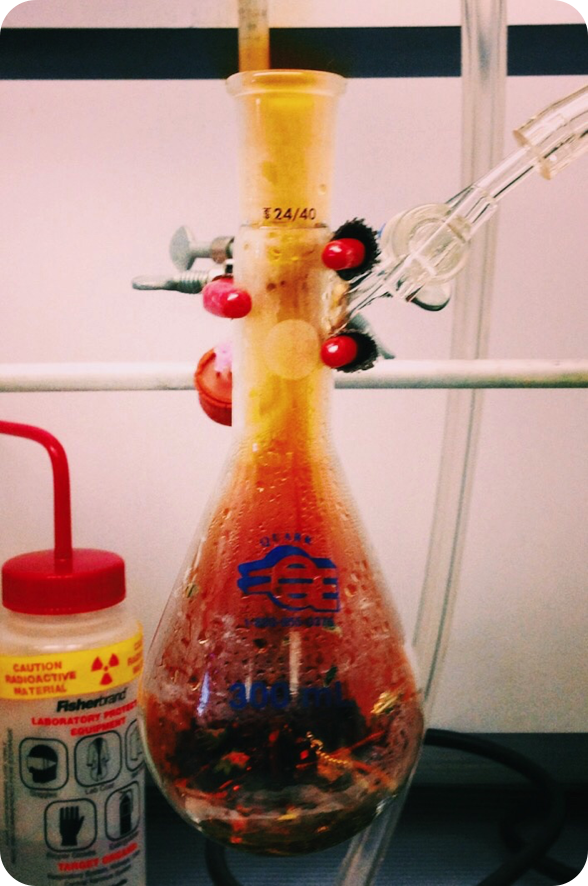
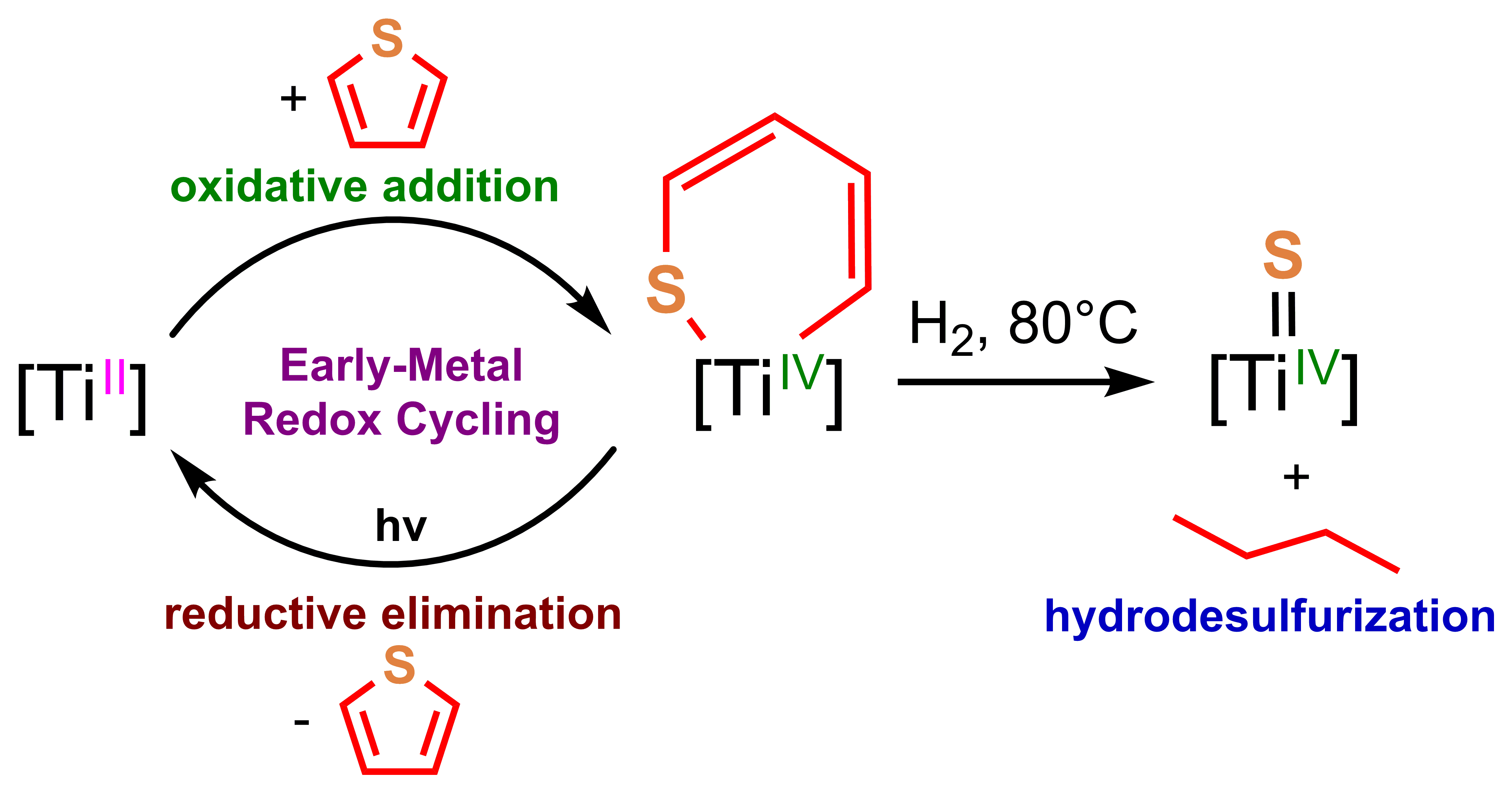
A central theme of our research is the synthesis and study of metals in unusually reduced oxidation states, which give rise to highly reactive species. A particular focus is the reduction of highly electropositive elements such as the early-metals and f-elements, where the thermodynamic driving force can generate potent reductants capable of multi-electron transfer. In this context, we have synthesized "molecular capacitors" capable of 8-electron discharge. These supercharged metal complexes show promise for base metal redox catalysis involving two-electron redox cycling, a feature typically associated with precious metals.
Our group has developed novel synthetic strategies for accessing and stabilizing low-valent complexes of titanium, uranium, and other metals, and we use a combination of X-ray crystallography, spectroscopy, and computation to characterize their structure and reactivity.
Representative topics:
Uranium and F-Element Science
The f-block elements exhibit chemistry that is distinct from transition metals, owing to the unique spatial and energetic properties of f-orbitals. We investigate the structure, bonding, and reactivity of uranium and other f-element complexes to better understand the fundamental principles that govern actinide and lanthanide chemistry. In the actinides, their unique 5f and 6d/7s/7p valence orbital combinations hold potential for reactivity patterns that are, in principle, inaccessible to transition metals, making this an important frontier for both fundamental chemical understanding and reactivity discovery.
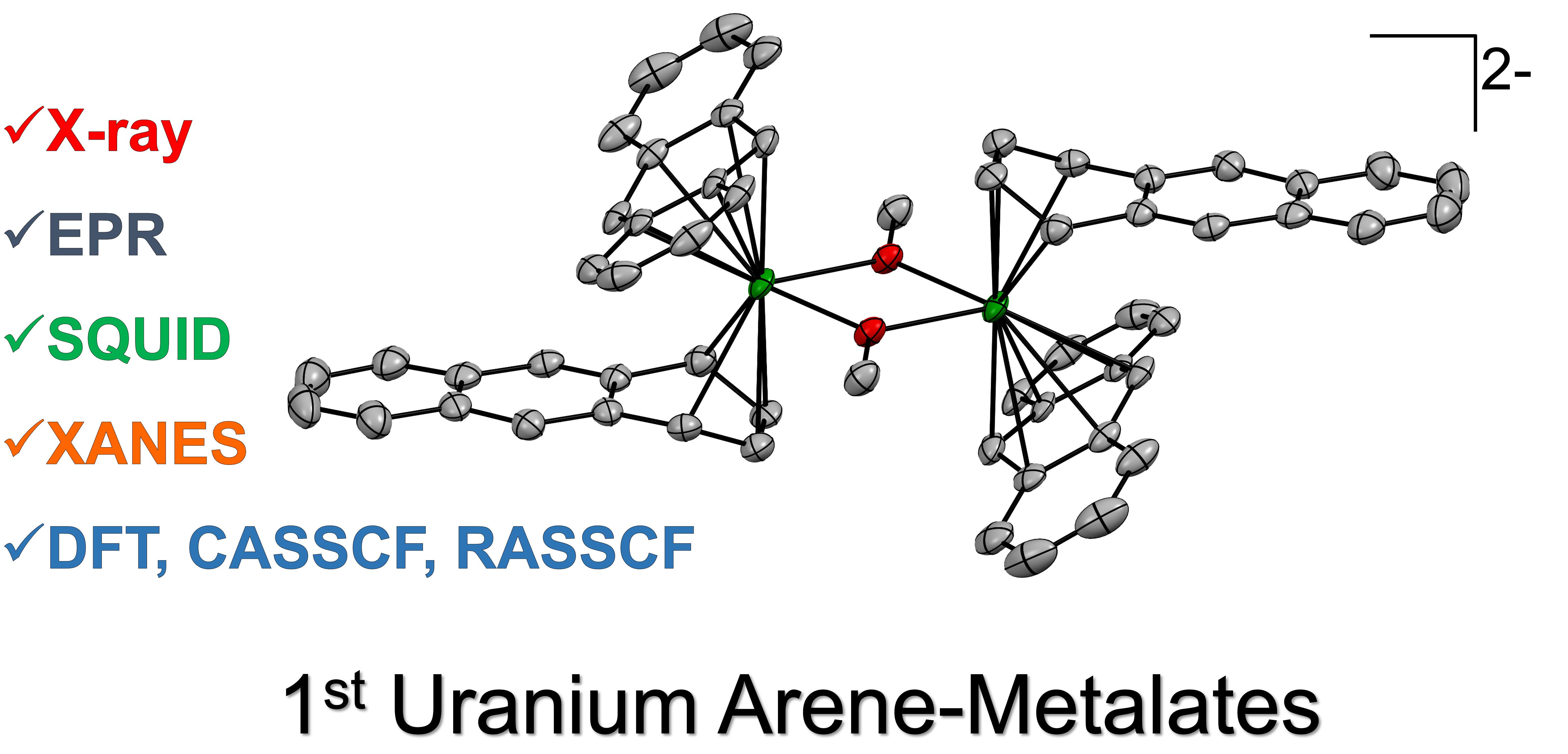
Our group has made contributions to uranium carbene, nitride, and arene chemistry, including the first examples of unsupported uranium arenide sandwich complexes.
Representative topics:
Late 3d-Metal Chemistry
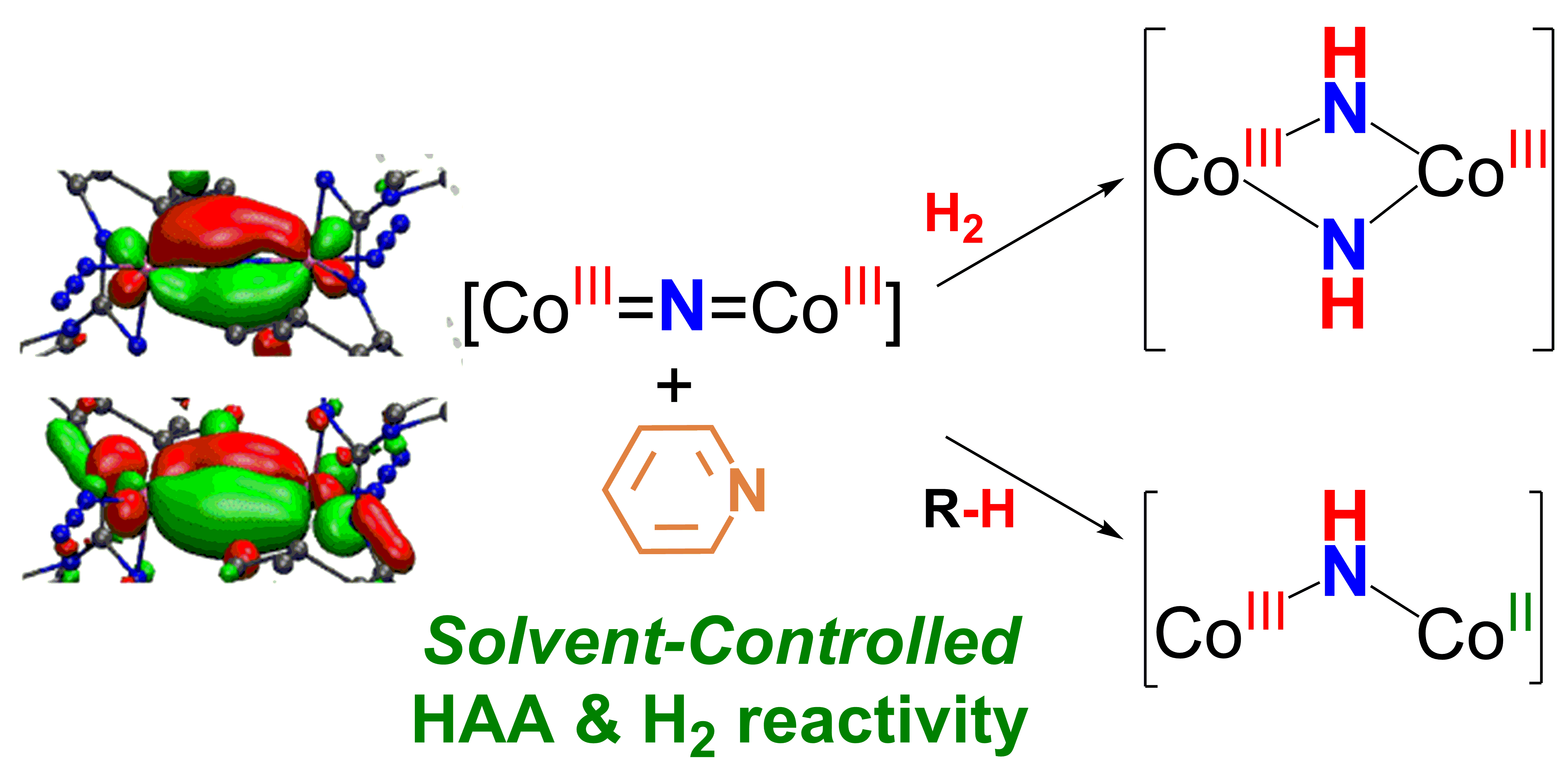
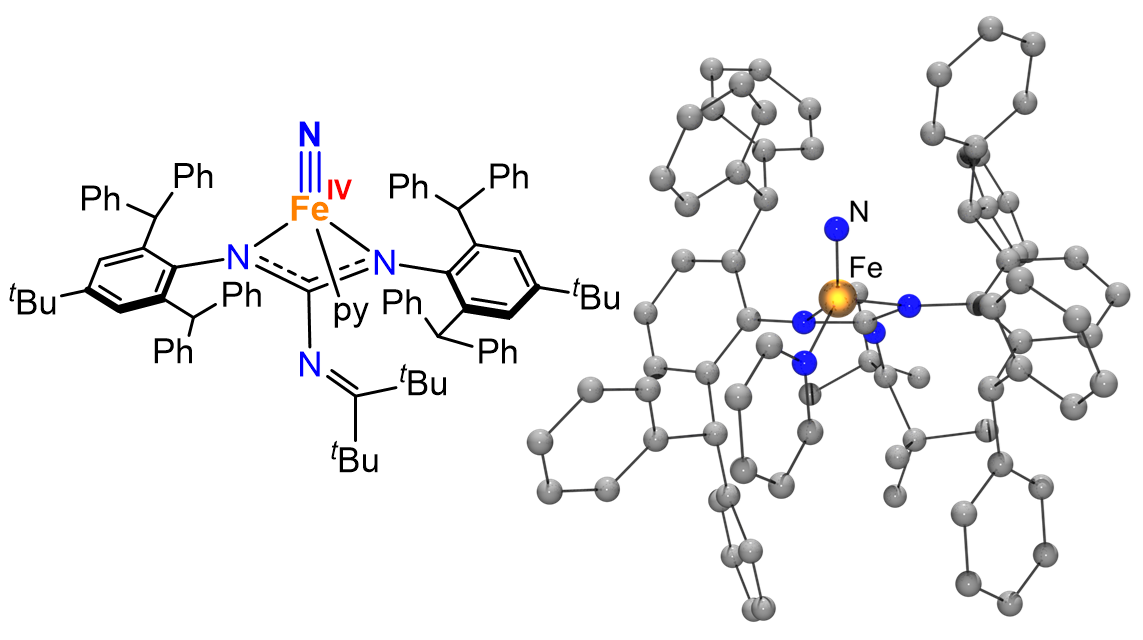
Not all of our work is centered on low-valent, electropositive metals. We also investigate late first-row transition-metal complexes, particularly iron and cobalt systems, that feature reactive metal–ligand multiple bonds. These studies use bulky guanidinate ligands to stabilize unusual bonding motifs and examine how ligand environment controls structure, electronic configuration, and reactivity.
A central goal of this work is to prepare isolable iron and cobalt complexes with highly reactive multiple-bond character, including mono- and bimetallic nitride species. These compounds provide a platform for studying bond activation and redox chemistry at earth-abundant metals.
Representative topics:
Ligand Design
Enabling access to highly reactive and unusual metal complexes requires careful design of the ligand environment. We design and synthesize sterically demanding and electronically tunable ancillary ligands that can stabilize reactive metal centers and enforce unusual coordination geometries and oxidation states.
Our ligand design efforts are tightly integrated with our synthetic goals, allowing us to access metal complexes that may otherwise be too reactive to isolate and study.
Representative topics: